
It is not always easy to keep track of Spanish public holidays.
Not only do they have national holidays, but also regional and local celebrations. Shops and public offices close, and decorations are put up. Spaniards take their fiestas very seriously, and there may be parades and fireworks, music and dancing. It is well worth experiencing a fiesta when you are in Spain.
But what are they actually celebrating?
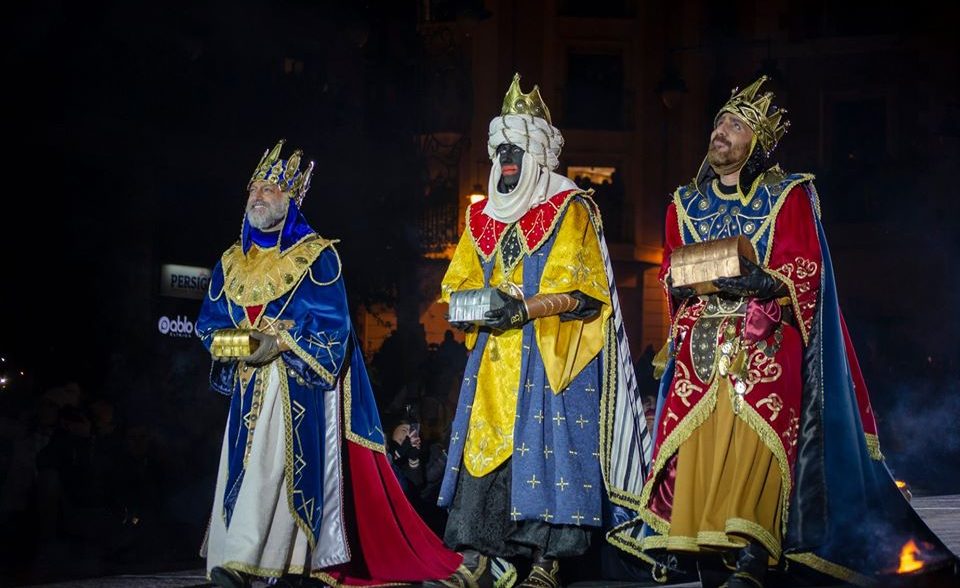
January 6th is Three Kings Day, celebrated with parades and gifts for children. The celebration of this day in Alcoy is considered the oldest in the world.
In the Valencia region, they celebrate St. Joseph’s Day on 19 March.
The day is in honour of Jesus’ adoptive father, Joseph, who was a carpenter by trade and is considered the patron saint of carpenters.
This day has been celebrated in Catholic countries since the Middle Ages, and is possibly the precursor to Father’s Day. Joseph is the patron saint of fathers and is seen as a role model for a good father.
St. Joseph’s Day also marks the end of Las Fallas in Valencia. It is believed that Las Fallas originated when carpenters cleared their workshops of scrap wood and waste, which they set alight on the night before St. Joseph’s Day.
On 15 August, the Assumption of the Virgin Mary is celebrated.
This day was also marked in the Nordic countries during the Catholic era with a special symbol on the primstav, which is a framed cross. On this day, people prayed to the Virgin Mary that there would be no bad harvest. The day was called the Assumption of Mary.
On 9 October
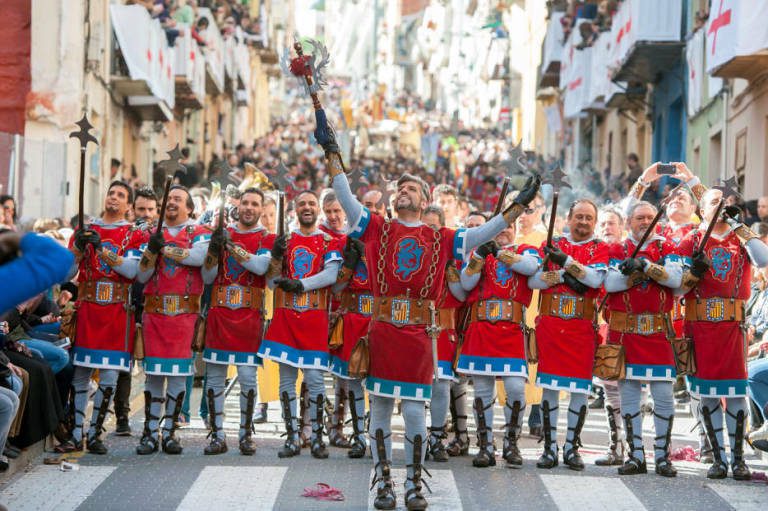
celebrates the reconquest of the Valencia region from the Moors in 1238. King Jaime I founded the Kingdom of Valencia, which today comprises the Comunidad Valenciana (Alicante, Castellón and Valencia).
The day is celebrated with large processions and parades, where people dress up as Christians and Moors.
12 October – Hispanic Heritage Day
is the day on which Christopher Columbus is believed to have landed on the island of Hispaniola, and in 1987 Spain declared this a national holiday.
In Madrid, the day is usually celebrated with a military parade attended by the king and representatives from the government.
1 November
The Spanish commemorate their dead and decorate their graves with flowers. It is a typical day when families gather together.
On 6 December, Spain celebrates its Constitution Day.
After the death of dictator Francisco Franco in 1978, the current constitution was drafted and approved.
For Spaniards, this is the very symbol of the divide between nearly 40 years of totalitarian rule and a government based on freedom and democracy.
After the National Assembly had approved a draft constitution, a referendum was held on 6 December, and the constitution was approved.
There is no big celebration of the day where people dress up in national costumes and hang up flags. For most people, this is just a welcome day off.
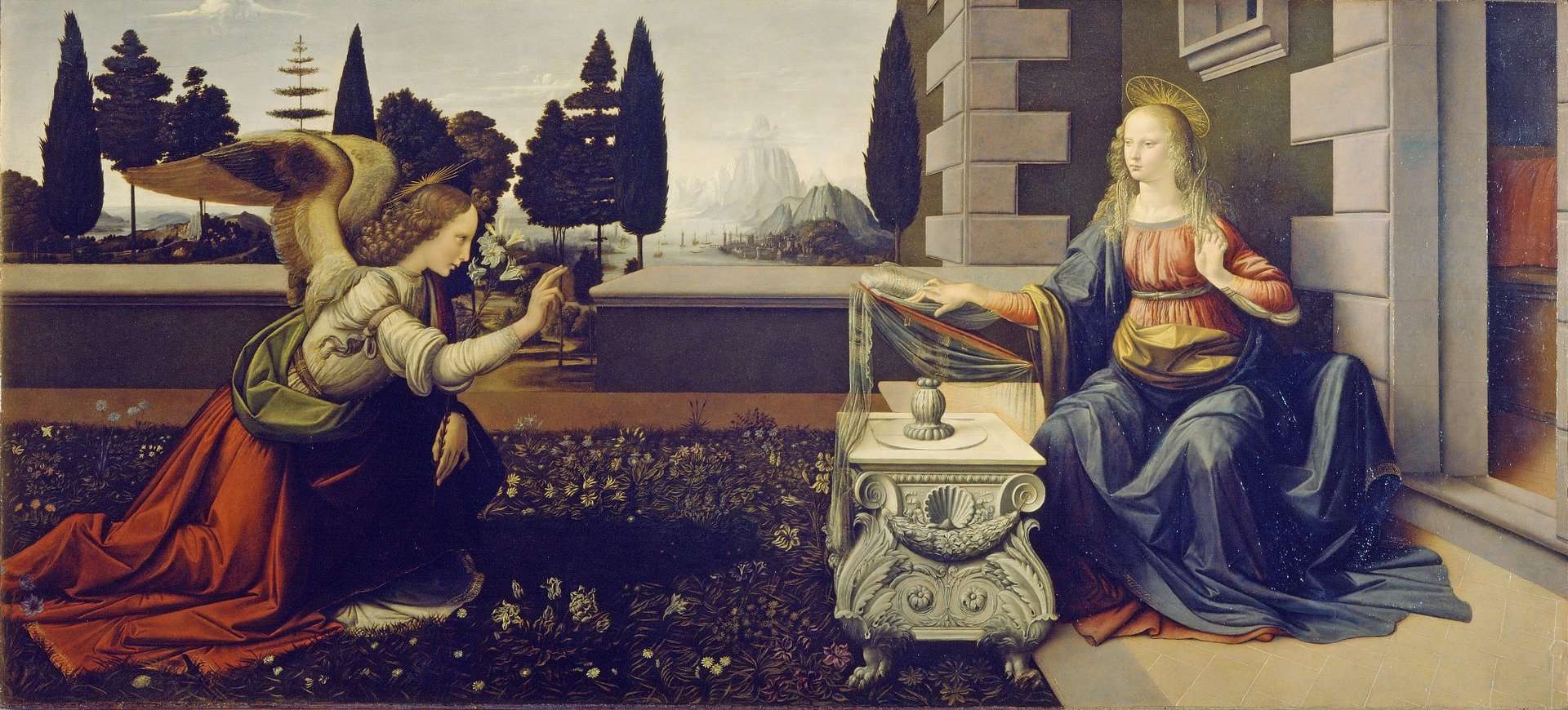
On 8 December, we celebrate the Immaculate Conception.
This is a dogma of the Catholic Church that was decided in 1854, claiming that the Virgin Mary was free from original sin.
The history is actually much older, dating back to 1476 when the day off was introduced by Pope Sixtus IV.
In the current Catholic calendar, this day is called “The Immaculate Conception of the Virgin Mary” and is a mandatory holiday for all Catholics.
The birth of Jesus is celebrated on 25 December.
History tells us that Emperor Constantine the Great set the celebration of Jesus’ birth on this day, which coincided with the Romans’ celebration of Sol Invictus.
The birth of Jesus is celebrated close to the shortest day of the year, while the birth of John the Baptist is celebrated on 24 June, close to the longest day of the year.
After Jesus’ birth, the days become longer and longer, while after John the Baptist’s birth, the days become shorter and shorter in anticipation of Jesus’ birth.
When a normal working day falls between two days off or public holidays, many Spaniards take this day off. This is called a “puente”.
“Felices Fiestas”
[Photo: © pixabay and internet]


